
Blog
Can Teeth Whitening Damage Your Enamel or Cause Sensitivity?
Does teeth whitening harm enamel or cause sensitivity? This clear, dentist-led guide explains how whitening works, what affects sensitivity, and how safe treatments protect your teeth.
Teeth whitening sounds simple.
Make teeth lighter. Feel better about smiling. Move on.
Yet most people hesitate. Not because they don’t want whiter teeth but because they’re worried about what it might do to their teeth long-term.
The concern usually comes down to two questions:
- Can whitening damage enamel?
- Will it make teeth sensitive?
Both are reasonable questions. Enamel doesn’t repair itself. Sensitivity can be unpleasant. And once something goes wrong, it’s hard to reverse.
The problem is that most answers online are either vague, exaggerated or trying to sell something. This piece is none of those. It explains what actually happens to teeth during whitening, why some people experience sensitivity and how to avoid the mistakes that cause real problems.
Why Whitening Has Become Confusing
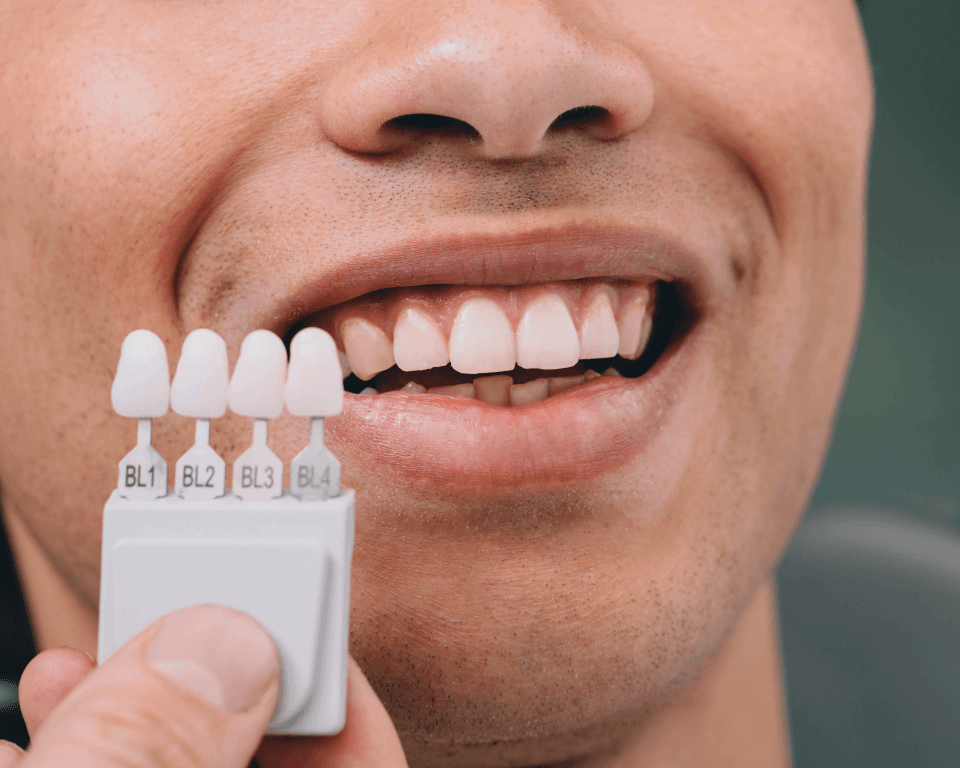
Teeth whitening didn’t become controversial because it’s unsafe.
It became controversial because it became uncontrolled.
Professional whitening and online whitening kits are often spoken about as if they’re the same thing. They are not.
One involves assessment, planning and regulated materials. The other involves guesswork.
When people experience pain or damage, it’s usually linked to the second but the treatment itself gets blamed.
Understanding the difference matters.
What Tooth Enamel Actually Is (And Why It Matters)
Enamel is the hard, protective outer layer of the tooth. It shields the softer dentine underneath and helps teeth cope with pressure, temperature and daily wear.
Once enamel is lost, it doesn’t grow back. That’s why people are right to be cautious.
Whitening does not work by scraping enamel away. It doesn’t sand teeth. It doesn’t thin them. Instead, it works inside the enamel structure.
Stains sit within tiny spaces in enamel. Whitening gels release oxygen, which breaks those stain particles down so light reflects differently. Teeth appear brighter but the enamel itself remains.
That distinction is important and often misunderstood.
Does Teeth Whitening Damage Enamel?
When carried out properly, no.
Dentist-led whitening uses regulated products designed to work within safe limits. Multiple studies show no reduction in enamel thickness or strength when whitening is done correctly.
In fact, many professional systems include protective ingredients that support enamel during treatment.
Where damage can happen is when whitening is:
- Too strong
- Used too frequently
- Applied to teeth that weren’t checked first
That’s not a whitening problem. That’s a process problem.
Why Sensitivity Happens (Without Damage)
Sensitivity doesn’t mean enamel is being destroyed.
During whitening, enamel becomes temporarily more porous. This allows oxygen to reach stains but it can also let temperature changes reach the nerve more easily.
For some people, this causes short-term sensitivity, especially to cold.
Key point: This is temporary and reversible.
Once whitening stops, enamel rehydrates and sensitivity settles. No permanent harm is done when treatment is managed properly.
Why Some People Get Sensitive Teeth and Others Don’t
Not all teeth react the same way.
Sensitivity is more likely when:
- Enamel is already worn
- Gums have receded
- Teeth have cracks or untreated decay
- Whitening is rushed
This is why assessment matters. Whitening shouldn’t be treated like a cosmetic accessory. It’s still a dental treatment.
When teeth are checked first, these risks are identified and managed. When they aren’t, discomfort is more likely.
The Real Cause of Whitening Horror Stories
Most negative whitening stories trace back to one thing: unsupervised use.
Online kits and shop-bought strips:
- Use generic strengths
- Come with poorly fitting trays
- Encourage repeated use
- Offer no way to stop if pain appears
Ill-fitting trays allow gel onto gums. Overuse increases sensitivity. Underlying problems go unnoticed.
It’s not surprising things go wrong.
Can Whitening Ever Be the Wrong Choice?
Yes. And any responsible dentist will say so.
Whitening may not be suitable if:
- Decay is present
- Gum disease hasn’t been treated
- Front teeth contain crowns or veneers
- Enamel is severely worn
In these cases, whitening isn’t banned — it’s postponed or adapted. The goal is to protect teeth first, not chase a shade.
Does Whitening Weaken Teeth Over Time?
No — when used sensibly.
Whitening does not:
- Make teeth brittle
- Increase decay risk
- Wear enamel away
Problems occur when whitening becomes frequent, unsupervised or driven by unrealistic expectations.
Spacing treatments properly and maintaining good oral care prevents this.
Why Results Vary From Person to Person
Teeth whitening isn’t paint.
Results depend on:
- The cause of staining
- Age
- Natural enamel colour
- Existing dental work
Crowns and veneers don’t whiten. Deep internal stains respond differently to surface stains. Knowing this beforehand avoids disappointment and unnecessary repeat treatments.
Where West Road Dental Fits Into This
Concerns about whitening usually come from uncertainty, not from the treatment itself.
At West Road Dental, whitening is treated as part of dental care, not a cosmetic shortcut. Teeth are assessed first. Sensitivity is anticipated, not dismissed. Treatment is planned around the person, not a product.
That approach keeps enamel safe and results predictable.
The Bottom Line
Teeth whitening doesn’t damage enamel when it’s done properly.
Sensitivity, when it occurs, is usually temporary and manageable.
The real risks come from shortcuts, not from professional care.
A brighter smile should never come at the cost of long-term dental health.
For anyone considering teeth whitening and wanting it clear, West Road Dental offers a place to ask the right questions before making a decision.
Teeth whitening in Oakham
For how dentist-led whitening works at West Road, what it involves and how to book, see professional teeth whitening in Oakham.
Book an appointment
Call the practice or send us a message — we would be glad to help.